
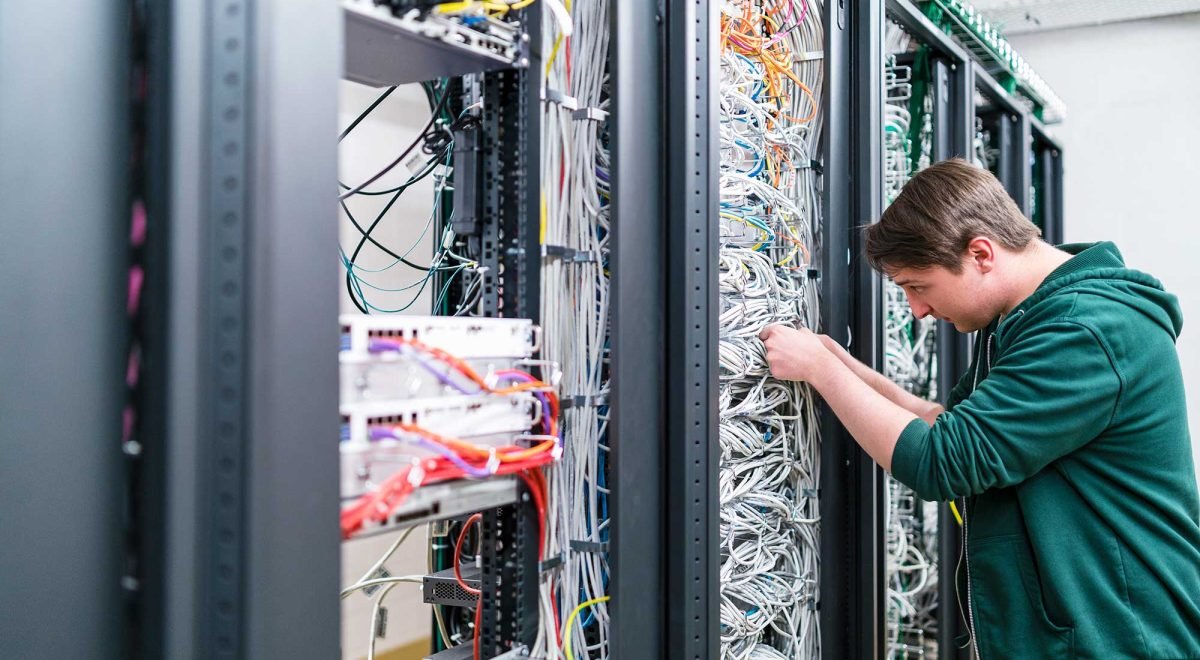
Light Speed Servers and Internet
The internet has become an essential part of everyday life. People use it for work, education, entertainment, shopping, and communication. Behind every website, video, and online service are powerful servers that process and deliver information within seconds. The combination of light speed servers and internet technology makes this possible.
This article explains what light speed servers are, how they improve internet performance, and why businesses rely on them to deliver fast, secure, and reliable online experiences.
What Are Light Speed Servers?
The term “light speed servers” refers to high performance servers and network infrastructure designed to transfer data with extremely low latency. Although information does not travel at the actual speed of light from end to end, modern fiber optic networks move data using pulses of light, making communication incredibly fast.
These servers use advanced hardware, fast processors, SSD storage, high bandwidth connections, and optimized software to handle millions of requests efficiently.
How the Internet Delivers Data
When you visit a website, several steps happen in a fraction of a second.
- Your device sends a request to a server.
- The server processes the request.
- The requested data travels through fiber optic cables and networking equipment.
- Your browser displays the website.
The faster each step happens, the better your browsing experience becomes.
Why Fiber Optic Networks Matter
Fiber optic cables transmit data using light instead of electrical signals. This technology offers several advantages.
- Higher data transfer speeds.
- Lower latency.
- Better reliability.
- Greater bandwidth.
- Improved long distance communication.
Because of these benefits, fiber optic networks form the backbone of today’s global internet.
Benefits of Light Speed Servers and Internet
Faster Website Loading
Fast servers reduce page loading times. Visitors spend less time waiting, resulting in a better user experience.
Better Business Performance
Businesses depend on fast websites to serve customers, process payments, and manage online services without delays.
Improved Video Streaming
Streaming platforms deliver high definition and 4K content smoothly because powerful servers process and distribute large amounts of data quickly.
Faster Cloud Computing
Cloud applications rely on high speed servers to store files, run software, and synchronize information across multiple devices.
Better Online Gaming
Gamers benefit from lower latency, faster response times, and smoother multiplayer experiences.
How Businesses Use High Speed Servers
Many industries depend on light speed servers and internet technology.
- E-commerce stores.
- Banks and financial institutions.
- Healthcare providers.
- Educational platforms.
- Video streaming services.
- Social media platforms.
- Cloud hosting companies.
- Artificial intelligence applications.
These organizations process thousands or even millions of requests every day while maintaining reliable performance.
Factors That Affect Internet Speed
Even with powerful servers, internet performance depends on several factors.
- Internet Service Provider quality.
- Distance between users and servers.
- Network congestion.
- Wi-Fi signal strength.
- Server capacity.
- Website optimization.
Improving each of these areas helps deliver a faster online experience.
The Future of Light Speed Servers and Internet
Technology continues to improve every year. Emerging innovations include AI powered server management, edge computing, advanced fiber optic networks, 6G research, and more energy efficient data centers. These developments will reduce delays, improve reliability, and support growing internet traffic around the world.
Conclusion
Light speed servers and internet technology power the digital world. From loading websites and streaming videos to processing online payments and supporting cloud computing, fast servers help businesses deliver reliable online services. As internet infrastructure continues to evolve, users will experience even faster connections, lower latency, and better performance across every digital platform.
Frequently Asked Questions
What are light speed servers?
Light speed servers are high performance servers connected to fast network infrastructure that process and deliver online data with minimal delay.
Why is fiber optic internet faster?
Fiber optic cables transmit data using light, allowing higher speeds, lower latency, and greater bandwidth than traditional copper cables.
How do fast servers improve websites?
Fast servers reduce loading times, improve user experience, support more visitors, and help businesses deliver reliable online services.
Why are fast servers important for businesses?
Businesses depend on fast servers for customer satisfaction, online transactions, cloud services, video streaming, and secure communication.
Will internet speeds continue to improve?
Yes. Advances in fiber optics, edge computing, artificial intelligence, and next generation networking will continue improving internet performance.